

気流による強力な乾式分散
RODOSは、乾式分散の発明者であるSympatec社が開発した、世界初の乾式分散器です。1982年にリリースされたRODOSによって、それまで湿式分散しか利用されていなかった粒度分布測定法に、乾式分散という技術革新がもたらされました。それから乾式分散法は急速に普及し、湿式分散には不適である乾燥粉末、顆粒、繊維などの様々な試料をレーザー回折法や動的画像解析法で測定できるようになりました。サブミクロン~ミリメートルの粒子径を精確に分散できる唯一無二の方法として、乾式分散は現在でも一般的に用いられています。分散速度や再現性に優れる上に、1000ml以上もの試料を扱うことによる高い統計的有意性が特徴です。一方、極微量の試料にも適用可能で、わずかマイクログラム程度の試料でも、安定した分散が実現できます。
RODOSは<0.1~4000µmの乾燥粉末に対して、粒子径に応じた最適な分散力を発揮します。粒子径が小さいほど、高い分散性能が求められます。これを実現するために、RODOSには高度な気流制御技術が盛り込まれています。圧縮空気によってノズル内に一定流量の気流を生成し、それが所定の分散力になるように調整されます。粒子はノズル内で分散され、最終的に一次粒子のエアロゾルとして噴射されます。圧縮空気を制御することで、強凝集性の微粒子から脆い粗粒子まで、確実かつ高再現性に分散できます。
RODOSの動作原理
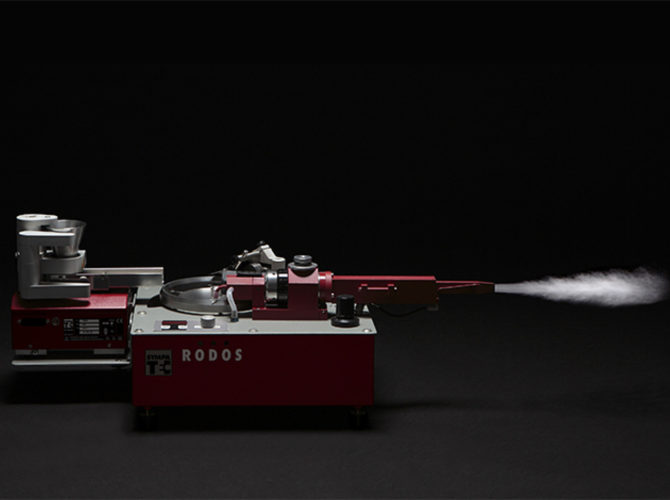 エアロゾル噴射を備えたRODOSクラシック
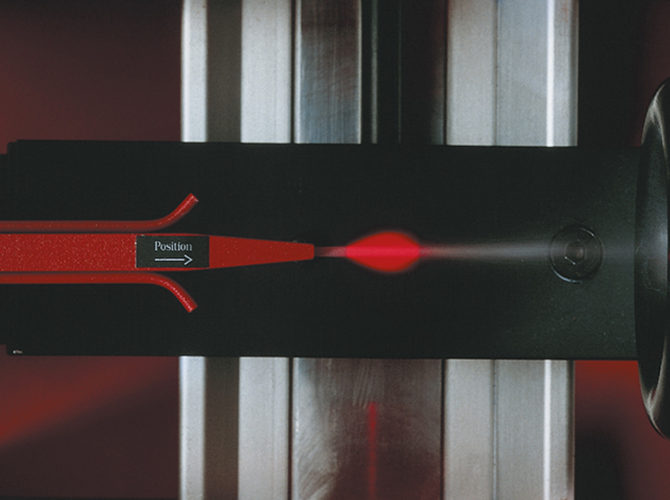
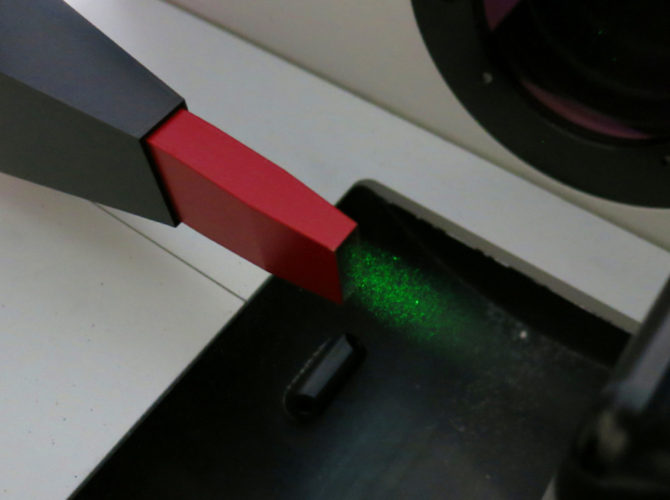
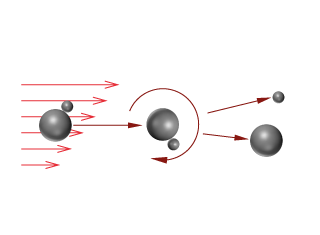
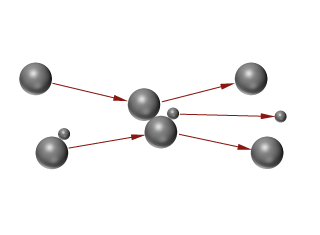
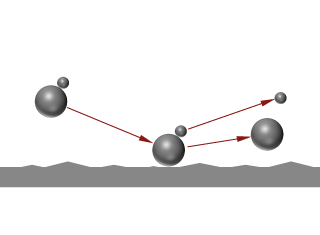
基本的な分散効果は、気流の速度勾配 (乱流) によるせん断応力や遠心力と、粒子間および粒子/壁面間の衝突による衝撃力から成ります。Sympatec社が開発した乾式分散法は、主要な工業規格 (ISO 13320、JIS Z 8825) に採用されており、乾式分散法のデファクトスタンダードとして認知されています。
RODOSの高い分散性能は、高度な気流制御技術によって支えられています。分散ノズルは、試料の導入部から噴出部まで一直線に設計されています。これによって粒子がノズル内で加速し続けるため、減速による再凝集が起こりにくくなっています。また、試料は導入部に対しても気流と同じ方向で供給されるように設計されており、前段での再凝集も徹底的に抑制されています。分散エネルギーは、ノズル直前に設けられた環状レギュレーターによって正確に制御されます。ノズル内の形状にも工夫が凝らされており、分散効果を効果的に引き起こしつつ、噴出時の気流を整えるように設計されています。これらによって生成された一次粒子のエアロゾルの流速は最大100m/sにも達し、適切な濃度で測定装置に供給されます。RODOSの高い分散性能によって、吸湿性、粘着性、磁性の強い粉末などの乾式分散が困難な試料でさえも、一次粒子に分散できます。
分散ノズルの内径は4~10mmが利用可能で、試料の粒子径に応じて最適なものを選択できます。
| 粒子径 | ノズル内径 (推奨値) |
|---|---|
| 0.1~1500 µm | 4mm |
| 0.25~3000 µm | 6mm |
| 0.25~4000 µm | 10mm |
RODOSの各モデル
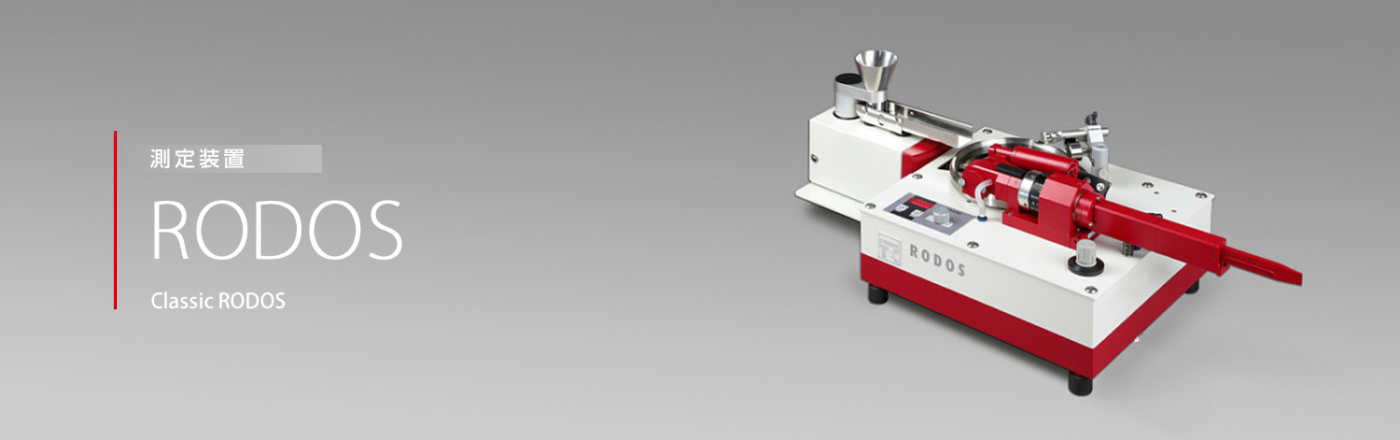
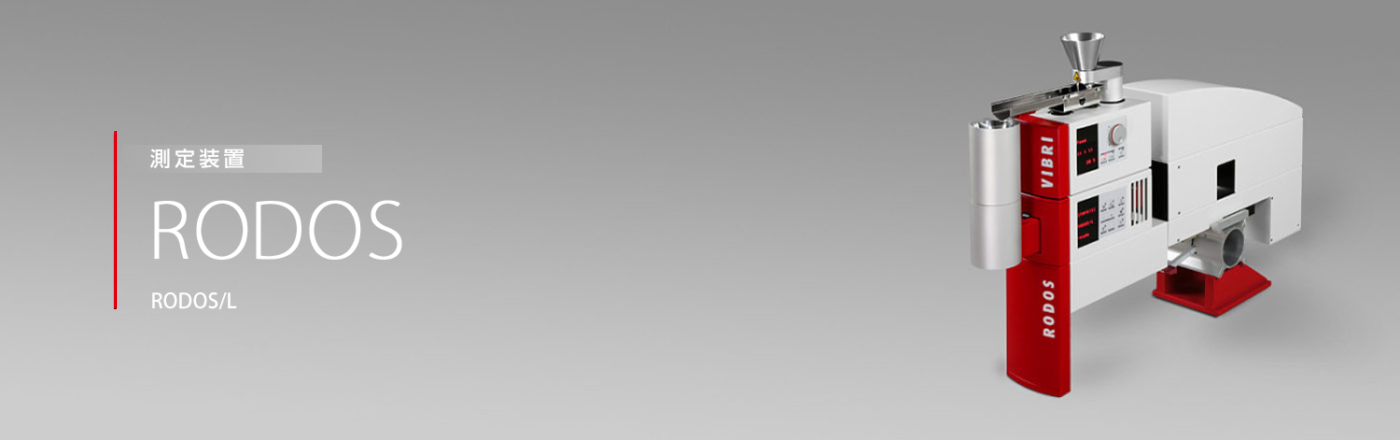
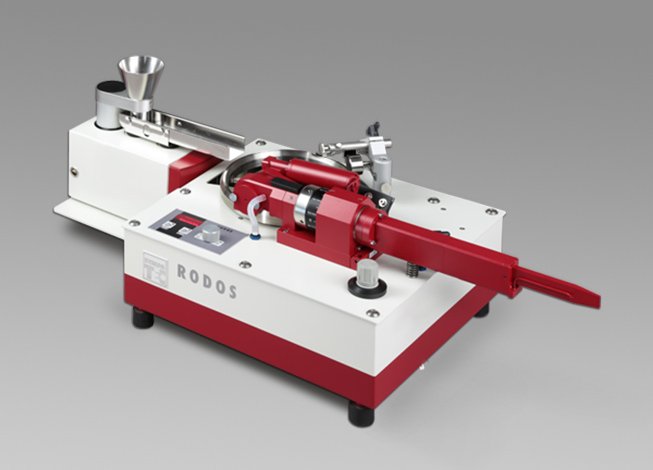
RODOSには2つのモデルがラインアップされています。RODOS (従来版) は、初期のデザインを踏襲しつつ、各部品を現代向けに最適化したモデルです。全ての操作を手動で行いますが、保守性に優れており、1982年のリリース以来ずっと生産され続けています。一方、最新モデルのRODOS/Lは、従来のRODOSの機能を見直し、最新の技術を活用して刷新したモデルです。基本性能は保ちつつ、全ての機能が自動化されたことで、様々な測定条件を瞬時に切り替えられます。
RODOS (従来版) は、初期のデザインを踏襲しつつ、各部品を現代向けに最適化したモデルです。全ての操作を手動で行う必要があるため、測定条件を一定で運用する場合に最適です。オープンな構造なので各部品にアクセスしやすく、保守性に優れています。とくに分散ノズルに容易にアクセスできるため、ユーザーによるクリーニングやメンテナンスを簡単に行えます。RODOSはレーザー回折式HELOSのみに使用可能で、動的画像解析式QICPICには使用できません。
一般的な装置構成
HELOS/BR + RODOS + VIBRI/L
HELOS/KR + RODOS + VIBRI/L
HELOS/KR + RODOS + VIBRI/R
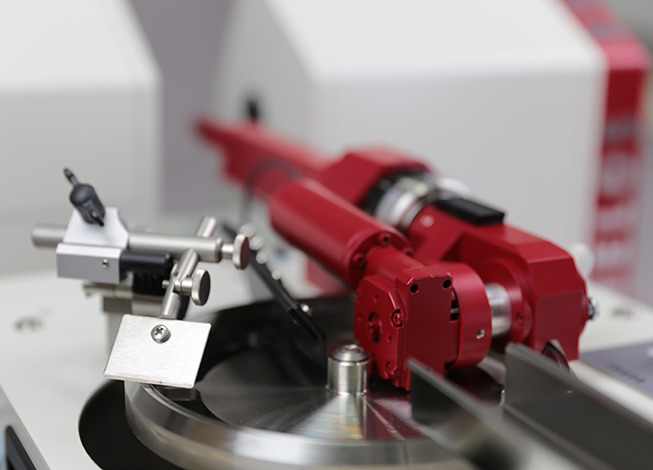
RODOSは独特なターンテーブルを備えています。ターンテーブル上の溝に試料を乗せ、ワイパーで余分な試料を排出し、ローラーで成形した後、ピックアップブラシによって分散ノズルに吸引されます。試料が常に定量供給されることで、測定時の試料濃度が安定するため、分散しにくい試料でも安定して測定できます。分散しやすい試料を扱う場合は、フィーダーVIBRIを使用して、分散ノズルの導入部に試料を直接供給することも可能です。また、ターンテーブルを使用しない場合は、ターンテーブル無しのモデルも選択できます。
RODOS/Lは、従来のRODOSの機能を見直し、最新の技術を活用して刷新したモデルです。分散ノズルの素材を改良したことで耐摩耗性がさらに向上しました。さらに、装置構造を抜本的に見直すことで、レーザー回折式HELOSと動的画像解析式QICPICの両方に適用可能になりました。全ての機能が自動化されたことで、多彩な測定条件を瞬時に切り替えられます。特に、分散ノズルの位置も自動調整されるため、測定条件を変更する際の測定再現性も大幅に改善されました。
制御ソフトウェアPAQXOSと通信することで、分散条件を標準操作手順 (SOP) として保存したり呼び出せるため、様々な測定条件を瞬時に切り替えられます。そのため、測定者に依存せず、より再現性の高い測定結果が得られます。また、分散圧と吸引圧は内臓の圧力計で常時監視されているため、過去の分散条件との同一性を随時確認できます。
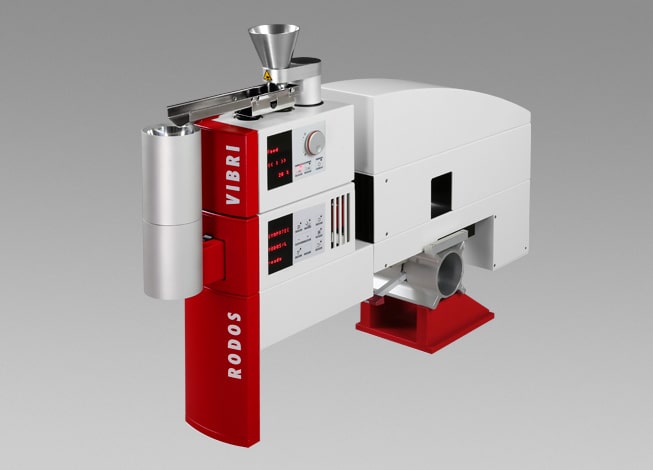
分散ノズルには超硬合金であるタングステンカーバイドを使用しています。これは超硬工具の約2倍の硬度を有しており、耐用年数が飛躍的に向上しました。セラミック、セメント、研磨剤などの、摩耗性の高い材料を測定する場合でも、分散性能が長期間にわたって持続します。
本体は2つのモジュールに分割できるように設計されており、他の分散機への交換もスムーズに行えます。もし乾式分散と湿式分散の両方を頻繁に使う場合は、乾式分散器RODOS/Lと湿式分散器SUCELL/Lを統合した、乾湿両用分散器OASIS/Lを推奨します。
